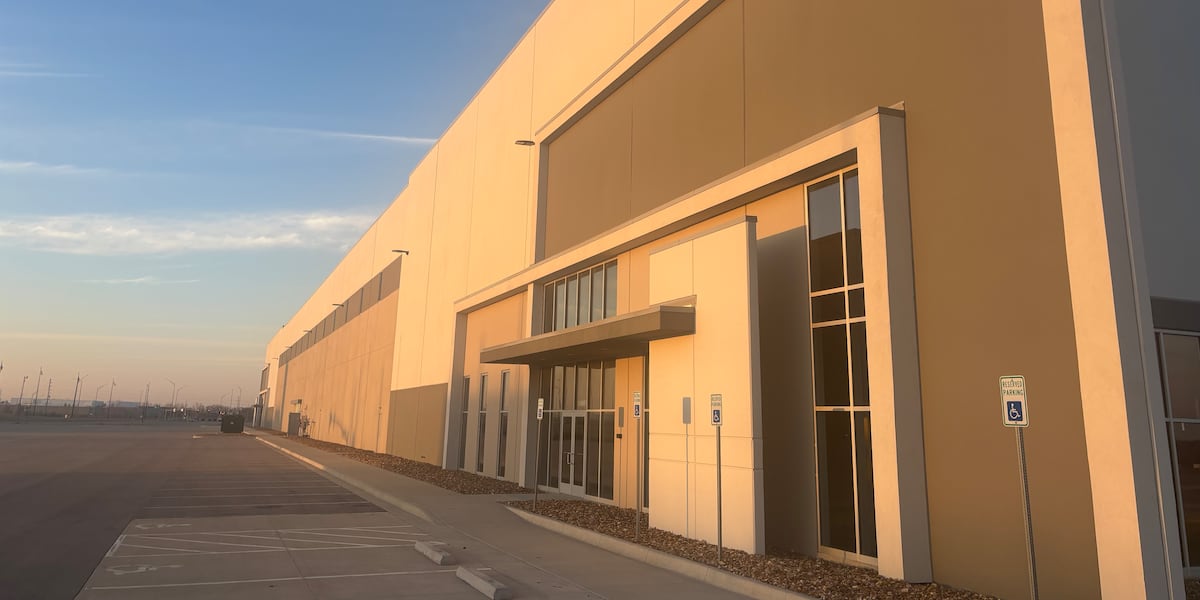
A Community Ignites: The South Kansas City Warehouse Fire and Its Roots
The quiet industrial landscape of South Kansas City was shattered recently by an incident that goes far beyond a typical property damage report. A warehouse located at 14901 Botts Road, a massive 920,000-square-foot facility, became the scene of a suspected arson attempt, just hours after its owners, Platform Ventures, announced a pivotal decision. The blaze, though small and quickly extinguished, ignited a deeper conversation about community power, corporate responsibility, and the volatile intersection of federal policy and local sentiment. This
South Kansas City warehouse fire wasn't just about flames and smoke; it was the dramatic culmination of months of public outcry against the proposed conversion of the facility into a U.S. Immigration and Customs Enforcement (ICE) detention center.
Witnesses reported seeing an unidentified woman spray an unknown accelerant on the building and ignite it. The Kansas City Fire Department (KCFD) responded swiftly at 5:49 p.m. on a Thursday, extinguishing the "hot spots" before significant damage could occur. Grandview Fire Chief Dave Hinson noted that the accelerant had largely burned out by the time crews arrived. Due to the suspicious nature of the incident, KCFD immediately requested assistance from the Kansas City Police Department's Bomb and Arson unit, launching a comprehensive investigation into what many perceive as an act of protest against the controversial federal plans. The suspected perpetrator remains at large, adding a layer of urgency to the ongoing police efforts.
Unraveling the Controversy: The Canceled ICE Facility Proposal
The narrative surrounding the Botts Road warehouse took a contentious turn months prior to the fire. Platform Ventures had been approached with an "unsolicited offer" for the sprawling facility, later revealed to be from the federal government for a potential ICE detention center capable of holding up to 10,000 individuals. This prospect immediately sparked widespread fear and fierce opposition within the South Kansas City community and beyond. Local leaders, advocacy groups, and concerned citizens voiced their vehement disapproval, citing humanitarian concerns, the potential strain on local resources, and the moral implications of such a facility in their backyard.
Initially, Platform Ventures indicated that "negotiations are complete," suggesting the deal was moving forward. However, the immense public pressure, coupled with what the company described as "baseless speculation, inaccurate narratives, and serious threats toward our leadership, our employees and our families," ultimately led to a dramatic reversal. In a pivotal statement released just hours before the fire, Platform Ventures declared they were no longer "actively engaged with the U.S. Government or any other prospective purchaser." This decision was a significant victory for community activism, demonstrating the tangible impact of collective voice and ethical considerations in corporate decision-making.
Kansas City Mayor Quinton Lucas, a vocal opponent of the proposed facility, celebrated the company's decision while simultaneously condemning the federal initiative. In a social media post, he expressed outrage at "federal efforts to place 10,000 human beings in cages inside distribution warehouses in Kansas City or anywhere in our country." His statement underscored the strong political and moral opposition that had galvanized the community. For more details on the unfolding investigation and community reactions, see our related article:
South Kansas City Warehouse Fire: Arson Probe Amidst ICE Facility Uproar.
The Investigation Unfolds: Law Enforcement's Swift Response
Following the report of a person attempting to light a building on fire, the Kansas City Fire Department wasted no time in securing the scene and initiating a professional investigation. Battalion Chief Riley Nolan confirmed the involvement of the Kansas City Police Department's Bomb and Arson unit, highlighting the serious nature of the incident. Captain Jake Becchina, a KCPD spokesperson, reiterated that bomb and arson detectives are actively pursuing leads, though the suspect remains at large. This ongoing effort emphasizes law enforcement's commitment to holding individuals accountable for criminal acts, regardless of any underlying motivations.
The incident highlights the critical role of inter-agency cooperation. The swift response from both KCFD and Grandview firefighters, followed by the specialized expertise of KCPD's arson investigators, demonstrates a robust framework for addressing such emergencies. While the fire itself was minor, the act of arson carries significant legal penalties and poses inherent dangers to public safety, making a thorough investigation paramount. Jackson County Legislative Chair Manny Abarca, while acknowledging public frustration, issued a clear condemnation of the act: "Any act of destroying public or private property in unacceptable... People are frustrated, I get that, but there are other ways to make your voice heard rather than setting a building on fire." His statement reflects the consensus among public officials that, while dissent is a right, property destruction is a criminal offense. For further insights into the person of interest, you can read:
Woman Suspected in KC Warehouse Arson Tied to Failed ICE Center Bid.
Beyond the Blaze: Lessons in Community Activism and Corporate Responsibility
The Botts Road warehouse fire, though an isolated incident of alleged crime, serves as a powerful symbol in the larger narrative of community engagement and corporate ethics. It underscores several crucial lessons:
*
The Power of the People: The sustained and widespread opposition from local residents, advocacy groups, and elected officials clearly influenced Platform Ventures' decision to withdraw from the ICE facility sale. This demonstrates that organized community voice can indeed sway corporate actions, especially when projects touch upon sensitive social and ethical issues.
*
Corporate Accountability: Developers and corporations have an implicit responsibility to consider the social and ethical impact of their projects, not just the financial returns. Platform Ventures' ultimate decision, while perhaps spurred by threats, also reflects an acknowledgment of the intense public sentiment. This incident might encourage other companies to conduct more thorough social impact assessments for controversial proposals.
*
The Line Between Protest and Crime: While passionate activism can be a catalyst for change, it is crucial to distinguish between legal, peaceful protest and illegal acts like arson or property destruction. As Manny Abarca stated, there are many legitimate avenues for expression, and resorting to crime undermines the very cause it seeks to champion, diverting attention from the core issues and potentially alienating allies.
*
Importance of Dialogue: This saga highlights the need for open and transparent dialogue between developers, government entities, and the community. Early engagement and clear communication could potentially de-escalate tensions and foster understanding, even when disagreements persist.
Practical Tips for Responsible Community Engagement:
- Organize Legally: Form community groups, organize peaceful protests, and engage in public forums.
- Contact Representatives: Reach out to local, state, and federal elected officials to voice concerns.
- Educate and Inform: Share accurate information to build a strong, evidence-based case against unwanted developments.
- Utilize Media: Engage local and national media to raise awareness and pressure stakeholders.
- Support Legal Challenges: When appropriate, support legal efforts to challenge project approvals.
Safeguarding Our Communities: Preventing Future Incidents
The South Kansas City warehouse fire serves as a stark reminder of the potential consequences when high-stakes development proposals meet intense public opposition. Beyond the immediate investigation, this event prompts a broader discussion about preventing similar incidents and fostering safer, more collaborative community environments.
For property owners and developers, this incident underscores the importance of robust security measures for properties, especially those that become targets of public controversy. This includes everything from surveillance systems and secure fencing to community outreach strategies aimed at understanding local concerns. Proactive engagement can often mitigate the risk of hostile actions.
For communities, while the power of collective action is undeniable, the incident reinforces the critical importance of upholding the rule of law. Channeling frustration into constructive, legal avenues—such as public meetings, petitioning, and voting—is essential for achieving sustainable change without resorting to violence or destruction. Maintaining focus on the ethical and policy arguments strengthens the community's position and garners broader support. Upholding these principles ensures that the fight for justice and community well-being remains credible and effective.
Conclusion
The Botts Road warehouse blaze in South Kansas City stands as a complex chapter in the city's recent history, weaving together themes of federal policy, local autonomy, community resistance, and individual accountability. While the physical damage from the suspected arson was minimal, the incident's symbolic impact is profound. It underscored the fierce opposition to the proposed ICE detention facility, celebrating a victory for community activism while simultaneously condemning the criminal act that transpired. As the Kansas City Police Department's Bomb and Arson unit continues its investigation, the event serves as a powerful reminder that while peaceful advocacy can bring about significant change, the destruction of property can never be condoned. The future of the Botts Road warehouse, now free from the specter of an ICE facility, will hopefully pave the way for a development that genuinely serves the interests and values of the vibrant South Kansas City community.