Woman Suspected in KC Warehouse Arson Tied to Failed ICE Center Bid
A recent incident involving a suspected arson at a South Kansas City warehouse has sent shockwaves through the community, intertwining an act of alleged vandalism with a highly contentious debate over a proposed federal immigration detention facility. Hours after the property owner publicly announced the cancellation of a potential sale to the U.S. government, a woman was reportedly seen igniting the building, leading to an ongoing investigation by local authorities.
The South Kansas City warehouse fire, though small and quickly extinguished, quickly escalated into a national headline, underscoring the deep divisions and strong sentiments surrounding immigration policies and community development. This article delves into the details of the incident, the backstory of the controversial warehouse proposal, the official and public reactions, and the broader implications of such acts.
The Arson Incident: A Swift Response to Suspected Vandalism
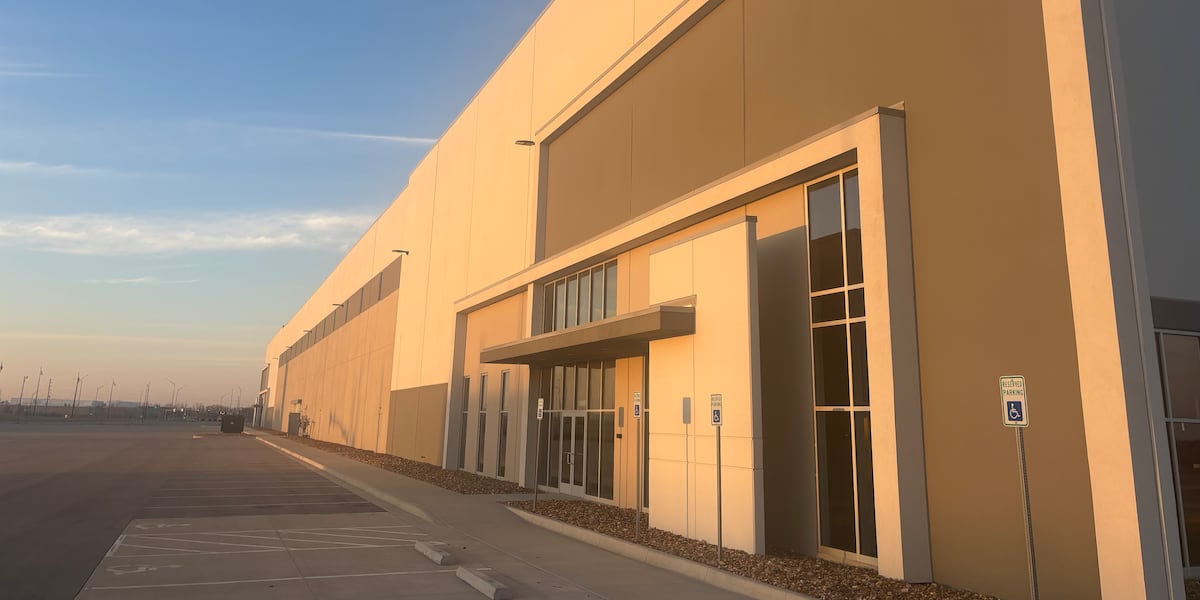
The events unfolded dramatically on a recent Thursday evening at the expansive 920,000-square-foot facility located at 14901 Botts Road. According to reports from the Kansas City Fire Department (KCFD), crews responded to the scene at approximately 5:49 p.m. following calls about a person attempting to set the building ablaze. Battalion Chief Riley Nolan confirmed that due to the nature of the incident, the KCFD immediately requested assistance from the Kansas City Police Department's Bomb and Arson unit, who have since taken over the investigation.
Witnesses at the scene described seeing an unidentified woman approach the Botts Road warehouse, spray an unknown accelerant on its exterior, and then ignite the material. Grandview Fire Chief Dave Hinson, whose units were among the first responders, stated that firefighters arrived to find the accelerant largely burned out, allowing them to quickly extinguish any remaining hot spots. This swift action prevented the fire from spreading significantly, averting what could have been a far more catastrophic event given the size of the structure. As of now, Captain Jake Becchina, a spokesperson for the Kansas City Police, has confirmed that the suspect in this Kansas City warehouse arson case is not yet in custody, and the investigation remains active and ongoing.
The timing of the fire is particularly significant. It occurred just hours after Platform Ventures, the owners of the warehouse, released a statement declaring they were no longer "actively engaged with the U.S. Government or any other prospective purchaser." This announcement came after months of intense public scrutiny and opposition regarding the potential conversion of the facility into a U.S. Immigration and Customs Enforcement (ICE) detention center, designed to house up to 10,000 individuals.
The Failed ICE Center Bid: A Catalyst for Community Outcry
The controversy surrounding the South Kansas City warehouse has been brewing for months. In October 2025, Platform Ventures received an "unsolicited offer" from the federal government, sparking widespread alarm and organizing within the local community. The prospect of a massive ICE detention facility in their backyard galvanized residents, activists, and local officials who voiced strong opposition against what they perceived as an inhumane and inappropriate use of the property.
Platform Ventures had initially indicated that "negotiations are complete" regarding the sale, leading many to believe the deal was imminent. However, the relentless pressure from community groups, combined with "baseless speculation, inaccurate narratives, and serious threats toward our leadership, our employees and our families," as cited by the company, ultimately led to their decision to withdraw from the proposed sale. Their statement on Thursday emphasized their typical policy of not commenting on potential transactions but noted the extreme circumstances that prompted their public announcement.
The proposed ICE detention facility sparked fierce debate over immigration policy, human rights, and the role of local communities in federal decisions. Opponents argued that housing thousands of detainees in a former distribution warehouse was unsuitable and would negatively impact the region. The cancellation of the deal, therefore, was seen as a significant victory for community activism, even if that victory was shadowed by the subsequent act of arson.
Official Reactions and the Line Between Protest and Crime
The alleged arson at the Botts Road warehouse elicited swift condemnation from local leaders, even those who had vocally opposed the ICE facility. Kansas City Mayor Quinton Lucas, a staunch critic of the federal government's efforts to establish a detention center, took to social media to express his outrage at the broader federal initiative. In a post on X, he stated, "I am outraged by federal efforts to place 10,000 human beings in cages inside distribution warehouses in Kansas City or anywhere in our country." While condemning the federal plans, Mayor Lucas also clearly distanced himself from the illegal act, affirming his trust in local courts, prosecutors, and law enforcement to "handle the offender."
Jackson County Legislative Chair Manny Abarca echoed these sentiments, releasing a statement that underscored the importance of lawful protest while condemning property destruction. "Any act of destroying public or private property is unacceptable," Abarca stated in an emailed message. "I will never encourage or condone destruction. People are frustrated, I get that, but there are other ways to make your voice heard rather than setting a building on fire."
These reactions highlight a critical distinction: while democratic societies uphold the right to protest and voice dissent, these rights do not extend to illegal acts like arson. The incident serves as a stark reminder that even when driven by strong moral convictions, unlawful actions can undermine legitimate causes and divert focus from the core issues at hand. For more details on the initial probe, you can refer to an earlier report: South Kansas City Warehouse Fire: Arson Probe Amidst ICE Facility Uproar.
Understanding the Gravity of Arson and Its Consequences
Arson is not merely an act of vandalism; it is a serious felony with severe legal ramifications. In Missouri, arson charges can range from second-degree to first-degree, depending on the intent and extent of damage, as well as whether lives were endangered. Penalties can include substantial prison sentences, hefty fines, and restitution for damages. Beyond the legal consequences, acts of arson:
- Endanger Lives: Firefighters, first responders, and any individuals in the vicinity are put at grave risk.
- Cause Economic Harm: Property damage can be extensive, leading to financial losses for owners, insurance companies, and potentially impacting local economies through job losses or halted development.
- Undermine Legitimate Activism: Illegal acts can overshadow the original message of protests, alienate potential allies, and allow opponents to discredit entire movements.
- Create Fear and Instability: Such incidents can foster an environment of fear within the community and lead to increased security measures.
For individuals seeking to effect change, focusing on legal and impactful avenues is crucial. This includes engaging in peaceful protests, contacting elected officials, organizing community forums, and supporting advocacy groups. These methods, while sometimes slower, build sustainable movements and maintain public support without resorting to dangerous and counterproductive criminal acts.
The Aftermath and Looking Ahead
The investigation into the Kansas City warehouse arson continues, with authorities diligently working to identify and apprehend the suspect. The incident serves as a complex case study in local governance, community activism, and the legal limits of protest. It underscores the challenges faced by developers caught between federal proposals and intense local opposition, and the responsibilities of individuals to pursue their convictions within the bounds of the law.
For Platform Ventures, the withdrawal from the ICE deal marks the end of a contentious chapter, though the fire adds an unexpected and unfortunate postscript. The future of the massive Botts Road warehouse remains uncertain, but it is clear that any future development plans will likely face heightened scrutiny and community engagement. The events highlight the power of organized community voices, but also the critical importance of maintaining civility and legality in pursuit of those voices. The incident's aftermath continues to unfold; explore further details on the situation here: Botts Road Warehouse Blaze: Aftermath of Canceled ICE Detention Plans.
As the community reflects on these events, the core issues surrounding immigration policy, ethical governance, and the balance between federal initiatives and local autonomy remain vital subjects for ongoing discussion and debate, hopefully through constructive and lawful means.